• Struggling for Help with Medical Bills? 10 Things a Patient Advocate Can Do for You

    Navigating the American healthcare system often feels like walking through a minefield blindfolded. One day you are focused on recovery; the next, you are buried under a mountain of confusing codes, "Explanation of Benefits" (EOB) forms, and final notices. For many, the financial aftermath of a hospital visit is more stressful than the medical condition itself.

    At the Leave the Billing to Us Foundation, we believe that no one should have to choose between their health and their financial security. As a 501(c)(3) nonprofit, we serve as your Compliance Translators. We bridge the gap between the technical world of medical coding and the human need for fairness.

    If you are currently drowning in paperwork, here are 10 ways a professional patient advocate can transform your healthcare journey and help you reclaim control of your finances.


    1. Eliminate Billing Errors and Overcharges

    Medical billing is notoriously complex, and errors are more common than most realize. From duplicate charges to incorrect quantities of medication, these "glitches" add up quickly. Our team includes credentialed experts (CPC, CRC, SME) who perform a line-by-line audit of your hospital and doctor bills. We don't just "check" the bill; we translate the technical codes to ensure you are only paying for the care you actually received.

    2. Navigate Insurance Denials and Appeals

    An insurance denial is not a final verdict; it is often just the beginning of a conversation. We understand the intricacies of V28 Revenue Integrity and how insurance algorithms process claims. When a claim is unfairly denied, we step in as your technical shield, gathering documentation and filing formal appeals to ensure your insurer fulfills its obligation to you.

    A patient advocate sits with an individual to review and complete medical billing paperwork, helping clarify complex forms and providing guidance for financial aid and charity care eligibility screening.

    3. Screen for Charity Care and Financial Aid

    Many patients are unaware that hospitals often have "Financial Nutrition" programs designed to absorb the cost of care for those who qualify. We conduct comprehensive charity care screenings, matching your financial situation with available hospital policies. This isn't just about debt management; it’s about advancing your access to the safety net that already exists but is often hidden behind red tape.

    4. Implement Medical Debt Prevention

    The best way to handle medical debt is to prevent it before it starts. Our Medical Debt Prevention program provides proactive guidance. If you have an upcoming procedure, we can help you navigate insurance authorizations and estimate out-of-pocket costs, ensuring you aren't blindsided by "surprise" out-of-network bills.

    5. Serve as Your CMS Navigator

    As a CMS-designated CDO (Certified Application Counselor Organization), we are uniquely positioned to help you navigate the 2027 CMS Navigator Consortium requirements. We help individuals and families enroll in appropriate insurance plans, including Medicaid and the Marketplace, ensuring you have the "technical shield" of coverage that fits your family's needs.

    6. Protect Your Financial Health through "Financial Nutrition"

    We view financial stability as a vital sign of your overall health. By negotiating lower rates and arranging interest-free payment plans, we protect your "Financial Nutrition." We work directly with providers to ensure that any remaining balances are sustainable and won't lead to collections or credit damage.

    A compassionate healthcare advocate provides reassurance to an elderly patient in a home setting, symbolizing commitment to one-on-one patient support.

    7. Improve RAF Scores and Documentation Integrity

    While we primarily serve patients, our work also supports the broader healthcare ecosystem. By ensuring that medical documentation is accurate and reflects the true complexity of a patient's condition, we help improve RAF scores (Risk Adjustment Factor). This ensures that clinics and providers are fairly compensated for the high-quality care they provide, creating a more stable environment for everyone.

    8. Provide a "Technical Shield" for Vulnerable Families

    For families in underserved communities, a single medical bill can be the difference between staying housed or facing eviction. We act as a protective barrier, handling the aggressive tactics of collection agencies and providing the specialized expertise needed to dispute inaccurate entries on your credit report. We believe in eliminating the fear associated with seeking medical care.

    9. Boost Healthcare Literacy via Community Workshops

    Knowledge is power. We don't just solve the problem for you; we teach you how to solve it for yourself. Through our free community education workshops, we teach the basics of insurance navigation and billing literacy. We want to empower a movement of informed patients who can advocate for themselves and their neighbors.

    10. Train the Next Generation of Advocates

    Our mission extends beyond individual cases. Through our Medical Coding Apprenticeship Program (MCAP), we train residents for sustainable careers in medical coding and revenue integrity. By participating in our programs, you are supporting a system that creates jobs and builds local expertise right here in our community.


    Join the Movement for Healthcare Equity

    The "nightmare" of medical billing doesn't have to be your reality. Whether you are a patient needing help, a clinic looking for revenue integrity support, or a community member wanting to learn, there is a place for you here.

    Our Core Pillars of Impact:

    • One-on-One Advocacy: Direct support to review, dispute, and resolve bills.
    • Medical Debt Prevention: Proactive financial aid navigation and guidance.
    • MCAP Training: Sustainable career pathways in medical coding.
    • Community Literacy: Workshops and resources to demystify healthcare.

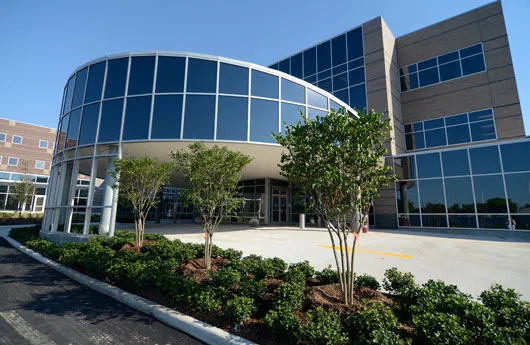
    Modern medical office building where Leave the Billing to Us Foundation supports patients with medical billing advocacy and community education.

    How to Get Started

    If you are struggling with medical bills, do not wait until you receive a final notice. Reach out today.

    Step 1: Contact Rachel (Receptionist) at leavethebillingtousfoundation@gmail.com. Rachel is our primary point of contact and will help you gather the necessary documents to start your intake process.

    Step 2: After your initial screening, serious prospects or those with complex cases will be scheduled for a consultation with our Manager.

    Manager’s Availability for Scheduled Appointments:

    • Monday: 8:00 AM – 12:00 PM CST
    • Tuesday – Thursday: 8:00 AM – 9:00 AM & 3:00 PM – 6:00 PM CST
    • Friday – Saturday: 8:00 AM – 12:00 PM CST

    If you’re not the decision-maker, could you forward this (and loop me in) to whoever owns compliance/documentation integrity at your organization? We are actively looking for partners to expand our impact through Rural Health Transformation (RHTP) and the 2027 CMS Navigator Consortium.

    Join the Movement | Donate Today | Request Help

    A group of diverse community members and healthcare professionals standing together in front of a Houston community center, smiling and looking empowered. The scene is bright and professional, with gold accents in the clothing and surroundings to match the brand identity.

  • 7 Mistakes You’re Making with Rural Revenue Integrity (and How to Fix Them)

    7 Mistakes You’re Making with Rural Revenue Integrity (and How to Fix Them)

    Rural health clinics and community providers stand at a critical crossroads. With over $60M in potential funding lifelines currently circulating for rural healthcare, the opportunity for stability has never been greater. However, without a robust framework for Revenue Integrity, many organizations are watching these funds slip through the cracks of outdated coding and inefficient documentation.

    At the Leave the Billing to Us Foundation, we view revenue integrity not just as an administrative task, but as "Financial Nutrition." It is the essential process of absorbing audit risk and protecting the revenue your clinic has already earned. To help your organization thrive, we’ve identified seven common mistakes rural providers make and the definitive solutions to fix them.

    1. Treating One-Time Funding as a Permanent Solution

    Many rural facilities treat grants or "lifeline" funding as a substitute for fixing underlying revenue leakage. While a grant may cover a budget shortfall today, it does not solve the root cause of missed charges or inaccurate coding.

    The Fix: Prioritize Financial Nutrition
    Shift your focus toward long-term sustainability. Use part of your funding to build a technical shield around your revenue cycle. By implementing the Rural Health Transformation (RHTP) framework, you ensure that every service rendered is captured, coded, and billed accurately. This transforms a temporary "lifeline" into a permanent foundation for growth.

    Map of Texas highlighting rural health clinic locations, emphasizing the scope of the Rural Health Transformation (RHTP) and the need for standardized revenue integrity across underserved regions.

    2. Ignoring the V28 Revenue Integrity Shift

    The transition to CMS V28 risk adjustment models has fundamentally changed how Risk Adjustment Factor (RAF) scores are calculated. If your clinicians and coders are still using V24 logic, your clinic is likely facing significant revenue erosion. V28 requires more specificity and a deeper understanding of how chronic conditions map to reimbursement.

    The Fix: Align with Compliance Translators
    Don’t just hire auditors; partner with Compliance Translators. Our team of credentialed experts (CPC, CRC, SME) works to translate complex CMS guidelines into actionable documentation workflows. By focusing on V28 Revenue Integrity, we help your providers document to the highest level of specificity, directly improving your RAF scores and protecting your clinic from future audits.

    3. Viewing "Auditing" as a Punitive Exercise

    In many rural settings, the word "audit" causes immediate stress. This mindset often leads to "safe" coding, under-coding or omitting legitimate services to avoid attention. This fear-based approach results in millions of dollars in uncompensated care that could have been avoided.

    The Fix: Implement a Learning Loop
    Revenue integrity is a collaborative movement. Establish a regular cadence where your Compliance Translators review documentation with your clinical team. Use these findings not to penalize, but to educate. When your team understands how documentation integrity impacts the clinic's ability to serve more patients, the culture shifts from fear to empowerment.

    A clinic staff member warmly welcomes patients, illustrating the connection between community trust, successful patient navigation, and the 2027 CMS Navigator Consortium mission.

    4. Disconnecting Community Outreach from Revenue

    Mistakenly, many clinics view "patient advocacy" and "community education" as purely philanthropic ventures separate from the business office. In reality, a patient who is confused by their bill is a patient who won't return, or worse, a patient who adds to your bad debt totals.

    The Fix: Join the 2027 CMS Navigator Consortium
    By participating in the 2027 CMS Navigator Consortium, your clinic becomes a hub for healthcare literacy. Our foundation provides free medical debt advocacy and financial-aid navigation. This proactive guidance ensures patients can access the care they need without the fear of preventable debt, while also improving your clinic’s collection rates and uncompensated care reporting.

    5. Underestimating the SME Faculty Load

    Rural clinics often rely on a single person to handle multiple administrative roles. This "jack of all trades" approach lacks the specialized depth needed to navigate the complexities of modern revenue integrity.

    The Fix: Leverage the $320k SME Faculty Load
    Our organization provides access to a specialized $320k SME (Subject Matter Expert) faculty load. This means your clinic benefits from the collective expertise of top-tier professionals without the overhead of hiring them full-time. This high-level support acts as your internal defense, ensuring your provider resources are always optimized and compliant.

    A collaborative team of diverse healthcare professionals analyzing digital data, representing the expert SME faculty support provided to rural clinics.

    6. Failing to Invest in the Next Generation of Coders

    Staffing shortages are the primary bottleneck for rural revenue integrity. Relying on outsourced agencies that don't understand the nuances of rural health can lead to high denial rates and slow claims processing efficiency.

    The Fix: Partner with the MCAP Movement
    The Medical Coding Apprenticeship Program (MCAP) trains residents specifically for careers in revenue integrity. By partnering with the MCAP program, you aren't just filling a seat; you are building a local workforce that is invested in the health of your community. These apprentices become your future Compliance Translators, trained in the latest V28 standards and rural-specific billing requirements.

    7. Neglecting the "Technical Shield"

    Is your clinic's revenue protected if an audit happens tomorrow? Many providers lack a "technical shield", a documented, proactive strategy for absorbing audit risk and ensuring compliance before the bill ever goes out.

    The Fix: Standardize Documentation Integrity
    Implement clear, declarative policies for all clinical documentation. This involves:

    • Advancing documentation specificity for high-RAF conditions.
    • Eliminating ambiguity in procedure notes.
    • Ensuring a 100% recapture rate for chronic conditions annually.
    • Tracking charity collections to support 501(c)(3) reporting requirements.

    A professional medical document with gold highlights and a pen, symbolizing the

    Join the Movement for Rural Health Transformation

    Protecting your revenue is about more than just numbers; it’s about ensuring your clinic remains a vital safety net for your community. By eliminating these seven mistakes, you can secure the financial future of your organization and continue to provide high-quality care to those who need it most.

    If you’re not the decision-maker, could you forward this (and loop me in) to whoever owns compliance/documentation integrity at your organization?

    Take Immediate Action

    Ready to strengthen your clinic’s technical shield? We are here to help.

    1. Partner with us: Explore our clinic partnership programs to see how we can support your RHTP goals.
    2. Refer a patient: If you have individuals struggling with complex bills, use our referral form.
    3. Contact Rachel: For all initial inquiries, please reach out to Rachel (Receptionist) at leavethebillingtousfoundation@gmail.com. She will coordinate your request and connect you with the appropriate team member.

    For serious prospects or to confirm high-level strategy appointments, our Manager is available:

    • Monday: 8 AM-12 PM CST
    • Tuesday-Thursday: 8 AM-9 AM and 3 PM-6 PM CST
    • Friday-Saturday: 8 AM-12 PM CST

    Together, we can ensure that no rural clinic is left behind.

  • Medical Billing Advocacy 101: A Beginner’s Guide to Mastering Your Health Costs

    Medical Billing Advocacy 101: A Beginner’s Guide to Mastering Your Health Costs

    Navigate the maze of modern healthcare with confidence. Medical billing is no longer just an administrative task; for many families, it has become a financial nightmare. Statistics show that nearly 80% of medical bills contain at least one error. These inaccuracies don't just drain your bank account: they erode the "Financial Nutrition" of your household, diverting resources away from wellness and into a black hole of administrative waste.

    At the Leave the Billing to Us Foundation, we believe that healthcare should be about healing, not haggling. As a 501(c)(3) nonprofit and a CMS-designated CDO, we are advancing a movement to eliminate medical billing barriers. Whether you are facing a single confusing invoice or a mountain of medical debt, this guide serves as your technical shield. Learn how to review, dispute, and resolve your health costs like a pro.

    1. Understand the Players in Your "Financial Nutrition"

    Before you can master your costs, you must understand the ecosystem. Every medical bill involves a complex dance between three primary entities. Think of this as the foundation of your financial wellness:

    • You (The Patient): The recipient of care and the ultimate guarantor of the bill.
    • The Provider: The doctor, hospital, or clinic that delivered the service.
    • The Insurer: The entity responsible for paying the provider based on your specific plan.

    The process begins when your provider sends details of your visit to a medical biller. They translate your care into alphanumeric codes and submit a claim to your insurance. The insurance company then issues an Explanation of Benefits (EOB). This document is not a bill, but it is the most important piece of paper you will receive. It tells you what was billed, what was covered, and: most importantly: what you actually owe.

    2. Spot the Sabotage: Common Billing Errors

    Stop paying bills the moment they arrive in the mail. Instead, request an itemized statement. A summary bill that simply says "Balance Due" is impossible to audit. You need the line-by-line breakdown to identify the "saboteurs" hiding in your paperwork.

    A patient advocate providing one-on-one support to review complex medical billing paperwork and financial aid eligibility.

    Watch for these red flags:

    • Duplicate Charges: Did you really get two X-rays on the same day? Often, a computer glitch or a double-entry results in the same service being billed twice.
    • Cancelled Services: If a doctor ordered a test but then cancelled it, ensure it was removed from the final claim.
    • Upcoding: This occurs when a provider bills for a more complex (and expensive) version of the service you actually received.
    • Incorrect Information: A misspelled name or a single digit off in your policy number can cause an insurance company to deny a claim entirely, leaving you with the full bill.

    By identifying these errors early, you act as your own Compliance Translator, ensuring that the raw clinical data matches the financial reality.

    3. Activate Your Technical Shield: The Review Process

    Protect your family’s financial health by implementing a disciplined review strategy. Follow these steps every time you receive a new charge:

    1. Gather the Trio: Never look at a provider's bill in isolation. You must have the provider’s itemized statement and the insurer’s EOB side-by-side.
    2. Verify the Vitals: Ensure the patient name, date of birth, and insurance ID are 100% accurate.
    3. Match the Codes: Check that the dates of service and the procedures listed on the provider's bill match the EOB exactly. If the insurance company didn't pay for a service because of a "coding error," you shouldn't be the one to pay the difference.
    4. Confirm the "In-Network" Status: Sometimes, an in-network hospital uses an out-of-network laboratory or anesthesiologist. Under the No Surprises Act, you have protections against these "balance bills."

    This proactive approach is what we call Medical Debt Prevention. By catching errors before they go to collections, you maintain your credit and your peace of mind.

    4. Become a Compliance Translator: How to Dispute

    If you find an error, don't panic. Take immediate, organized action. You are not just asking for a discount; you are ensuring documentation integrity.

    A team of diverse professionals, acting as Compliance Translators, reviewing healthcare analytics and medical coding data in a modern boardroom.

    Follow this dispute roadmap:

    • Call the Billing Office: Be polite but firm. Ask them to verify the codes against your medical chart. Note the date, time, and the name of the representative you spoke with.
    • Request a "Corrected Claim": If they acknowledge an error, ask them to resubmit a corrected claim to your insurance company. This ensures your EOB is also updated.
    • Contact Your Insurer: If the issue is a denial of coverage, call your insurance member services. Ask specifically why the claim was denied. Is it a lack of "medical necessity," or just a missing signature?
    • Appeal in Writing: If verbal requests don't work, file a formal appeal. Both providers and insurers have a structured process for this.

    Our team of credentialed experts (CPC, CRC, SME) works daily to bridge the gap between clinics and patients. We focus on V28 Revenue Integrity, ensuring that clinical documentation accurately reflects the care provided, which in turn protects the patient from overbilling.

    5. Advancing the Movement: Beyond Individual Bills

    Individual advocacy is vital, but systemic change requires a larger movement. The Leave the Billing to Us Foundation is not just resolving bills; we are building a "technical shield" for the entire community.

    The exterior of a modern medical office building in Houston where Leave the Billing to Us Foundation provides advocacy and education.

    Our Core Pillars of Impact:

    • Medical Coding Apprenticeship Program (MCAP): We train the next generation of advocates and revenue integrity professionals. By equipping residents with CPC and CRC credentials, we create sustainable careers and a local workforce that understands the nuances of rural and underserved healthcare.
    • 2027 CMS Navigator Consortium: We are preparing for the future of healthcare navigation, ensuring that families in the 2027 cycle have the expert support they need to select plans that offer true financial protection.
    • Rural Health Transformation (RHTP): We support rural clinics in improving their claims processing efficiency and RAF scores. This doesn't just help the clinics stay open; it ensures that patients in rural areas aren't hit with inflated costs due to administrative inefficiency.

    6. Join the Movement and Get Help

    You don't have to face the healthcare system alone. Whether you're a patient looking for a lifeline or a clinic seeking to improve your documentation integrity, we have resources for you.

    • Individuals: If you are overwhelmed by medical debt, reach out for one-on-one advocacy. We provide free charity care screening and billing resolution.
    • Healthcare Professionals: Our MCAP program offers hands-on clinical documentation coaching. We help you absorb audit risk and protect your revenue through expert-led "Financial Nutrition" strategies.
    • Donors & Partners: Your support allows us to maintain a $320k SME faculty load, ensuring that even the most underserved communities have access to world-class medical coding expertise.

    If you’re not the decision-maker, could you forward this (and loop me in) to whoever owns compliance or documentation integrity at your organization?

    Contact Us Today

    Ready to take control of your health costs? Reach out to Rachel (Receptionist) at our central intake. She will help triage your needs and connect you with the right program or advocate.

    For serious partnership inquiries or confirmed appointments, the Manager is available for scheduling during the following hours:

    • Monday: 8 AM – 12 PM CST
    • Tuesday – Thursday: 8 AM – 9 AM & 3 PM – 6 PM CST
    • Friday – Saturday: 8 AM – 12 PM CST

    Join the Movement | Refer a Patient | Apply for MCAP

  • Revenue Integrity Matters: Navigating the $60M Funding Lifeline for Rural Health

    Revenue Integrity Matters: Navigating the $60M Funding Lifeline for Rural Health

    Rural healthcare in Texas is currently standing at a historic crossroads. With the recent announcement from Governor Abbott and the Texas Health and Human Services Commission (HHSC) regarding a $60 million federal funding lifeline, the opportunity to stabilize our rural safety net has never been greater. Yet, for many CEOs and CFOs of rural hospitals and clinics, this funding arrives during a period of intense regulatory transition.

    The shift to the CMS V28 Risk Adjustment Model and the complexities of the Rural Health Transformation Program (RHTP) have created a high-stakes environment where administrative error can lead to devastating financial consequences. At the Leave the Billing to Us Foundation, we believe that financial stability is the prerequisite for clinical excellence. We are advancing a new standard of revenue integrity support designed specifically to protect rural providers from these shifting tides.

    The Technical Shield: Protecting Rural Liquidity

    The margin for error in rural healthcare has evaporated. Industry data indicates that without proactive intervention, rural providers can expect a 5% to 8% decline in Risk Adjustment Factor (RAF) scores due to the recalibration of HCC mappings in the V28 model. This isn't just a coding issue; it’s a threat to the very survival of the clinic.

    We provide what we call a "Technical Shield." As your primary Compliance Translators, we move beyond the role of traditional auditors. We bridge the gap between complex clinical documentation and the rigorous reimbursement standards of 2027. By implementing V28 Revenue Integrity protocols, we ensure that your RAF scores accurately reflect the disease burden of your patient population, effectively eliminating preventable revenue leakage.

    Modern, professional rural health clinic exterior in a Texas landscape

    Financial Nutrition and the $320k SME Faculty Load

    Securing a $60 million lifeline is step one. Step two is ensuring that every dollar is protected and every revenue stream is "nourished." We define Financial Nutrition as the proactive protection of revenue through the absorption of audit risk.

    To achieve this, the Leave the Billing to Us Foundation deploys a $320k SME faculty load. This deep bench of Subject Matter Experts, including credentialed CPC (Certified Professional Coders) and CRC (Certified Risk Adjustment Coders), provides rural clinics with the level of expertise usually reserved for large, urban healthcare systems. This SME-led approach ensures that your facility is not just compliant, but optimized for claims processing efficiency.

    Pillar 1: Advancing the Workforce through MCAP

    The chronic shortage of healthcare professionals in rural Texas is a systemic vulnerability. Relying on expensive, high-turnover third-party agencies is not a sustainable strategy. Our solution is the Medical Coding Apprenticeship Program (MCAP).

    MCAP is a workforce movement that transforms local residents into credentialed experts. By training "homegrown" talent to serve as the frontline of your revenue cycle, we build a permanent Technical Shield within your own community. This program is a core component of the 2027 CMS Navigator Consortium strategy, creating high-wage local jobs while stabilizing the financial infrastructure of the clinic.

    Clinic staff member warmly welcoming a patient in a supportive healthcare setting

    Pillar 2: Navigating RHTP Initiative 4 and 6

    The Rural Health Transformation Program (RHTP) offers a historic investment in infrastructure and workforce, but the window for these non-dilutive funds is narrow.

    • Initiative 4 (Next Generation Workforce): This is the primary vehicle for funding your participation in MCAP and related residency programs. Applications are moving toward critical deadlines, and our team is ready to help you finalize your workforce strategy.
    • Initiative 6 (Infrastructure & Capital): From replacing aging imaging technology to upgrading lab equipment, these funds reduce long-term operational expenditures, freeing up capital for what matters most: patient care.

    Our role is to serve as your strategic partner in these submissions, ensuring that your organization receives its fair share of the allocated $98.9 million rural health budget.

    Eliminating Revenue Leakage through Compliance Translation

    Why do we call ourselves Compliance Translators? Because the language of the clinic and the language of the payer are often in conflict. Our experts translate raw clinical data into audit-proof documentation that meets the highest federal standards.

    This process directly improves your bottom line by:

    • Improving RAF scores to capture the true complexity of patient care.
    • Maximizing claims processing efficiency to reduce days in A/R.
    • Providing a Technical Shield against federal clawbacks and audit reversals.

    Close-up of a digital tablet showing a healthcare revenue dashboard with RAF scores

    Join the Movement for Rural Stabilization

    The $60 million funding lifeline is more than just a grant; it’s a call to action. It’s an opportunity to rebuild the financial foundation of rural Texas, ensuring that no resident is left behind because their local clinic couldn't navigate the complexities of modern billing.

    The Leave the Billing to Us Foundation is a 501(c)(3) nonprofit and a CMS-designated CDO. Our mission is entirely aligned with your survival. We balance technical rigor with a community-focused warmth, providing the social empathy required to serve rural populations and the administrative precision required to satisfy federal regulators.

    Immediate Next Steps

    We invite you to join the Consortium for Rural Texas Stabilization. Whether you are looking to implement MCAP in your facility or need immediate V28 Revenue Integrity support, our team is ready to deploy.

    If you’re not the decision-maker, could you forward this (and loop me in) to whoever owns compliance/documentation integrity at your facility?

    Partner with us today to secure your organization's financial future.

    A patient advocate helping a patient review medical billing paperwork

    Contact Information

    For all initial inquiries, please reach out to Rachel, our primary point of contact.

    Manager Availability for Confirmed Appointments:

    • Monday: 8:00 AM – 12:00 PM CST
    • Tuesday – Thursday: 8:00 AM – 9:00 AM & 3:00 PM – 6:00 PM CST
    • Friday – Saturday: 8:00 AM – 12:00 PM CST

    Join the Movement | Partner with MCAP | Get Help with Billing

  • 7 Mistakes You’re Making with Medical Bills (and How Our Advocates Can Fix Them)

    7 Mistakes You’re Making with Medical Bills (and How Our Advocates Can Fix Them)

    Medical bills are more than just paperwork; they are a significant source of stress for millions of families across Houston and beyond. When a thick envelope arrives from a hospital, the instinct is often to pay it quickly just to make the problem go away: or to ignore it entirely because the numbers are too overwhelming.

    At Leave the Billing to Us Foundation, we believe that "financial nutrition" is just as vital as clinical care. We are a 501(c)(3) nonprofit dedicated to advancing healthcare literacy and eliminating the financial vulnerabilities that plague our community. Through our one-on-one patient advocacy and our specialized Medical Coding Apprenticeship Program (MCAP), we provide a "technical shield" for patients and clinics alike.

    Stop feeling helpless. Avoid these seven common mistakes and learn how our credentialed experts: our "Compliance Translators": can help you secure the justice your bank account deserves.

    1. Paying the "Summary" Bill Immediately

    Many patients receive a "statement" that simply lists a total amount due. Paying this without seeing an itemized breakdown is the fastest way to overpay. In Texas, facility providers are legally required to provide a written, itemized bill within 30 days of receiving payment from a third party.

    The Fix: Demand an itemized bill before sending a single cent. Look for "upcoding": where a simple visit is billed as a complex emergency: or duplicate charges for medications you never received. Our advocates review these line-by-line to ensure every charge reflects the actual care provided.

    2. Assuming "Insurance Paid" Means the Bill is Correct

    Just because your insurance company processed a claim doesn't mean they did it accurately. Data entry errors, outdated member IDs, or mismatched procedure codes can lead to claims being denied or processed as "out-of-network" when they shouldn't be.

    The Fix: Cross-reference your Explanation of Benefits (EOB) with your provider’s bill. If the numbers don’t align, our team steps in to resolve the discrepancy. We specialize in V28 Revenue Integrity, ensuring that insurance companies uphold their end of the bargain so you aren’t left holding the bag.

    3. Overlooking Your Eligibility for Charity Care

    Many people don’t realize that nonprofit hospitals are required by federal and Texas law to offer financial assistance, often called "Charity Care." If your household income falls within certain limits, you might be eligible to have 50%, 75%, or even 100% of your hospital bill forgiven.

    A patient advocate sitting with an individual to review medical billing paperwork and screening for charity care eligibility.

    The Fix: Apply for financial aid immediately. Hospitals often won't volunteer this information unless you ask. Our Medical Debt Prevention program proactively screens families for these programs, navigating the complex application process so you can avoid preventable debt.

    4. Accepting "Surprise Bills" from Out-of-Network Specialists

    Have you ever gone to an in-network hospital only to receive a massive bill from an out-of-network anesthesiologist or radiologist? This is called "balance billing," and under the No Surprises Act, it is largely illegal for emergency services and certain non-emergency treatments at in-network facilities.

    The exterior of a hospital emergency center, a common site where surprise medical bills originate.

    The Fix: Exercise your rights. If you receive a surprise bill, do not pay it. Our advocates are experts in federal and Texas-specific protections. We act as your "technical shield," disputing illegal charges and ensuring you only owe your in-network cost-sharing amounts.

    5. Failing to Verify Medical Coding Accuracy

    Medical coding is a complex language. A single digit difference in a code can change a $200 office visit into a $2,000 procedure. Hospitals often use "upcoding" or "unbundling" (charging for individual steps of a procedure instead of one comprehensive code) to increase their revenue.

    A professional Compliance Translator reviewing medical codes to ensure revenue integrity and billing accuracy.

    The Fix: Hire a "Compliance Translator." Our team includes credentialed experts (CPC, CRC, SME) who understand the intricacies of medical coding. Through our Medical Coding Apprenticeship Program (MCAP), we train the next generation of advocates to spot these errors and improve claims processing efficiency for both patients and providers.

    6. Ignoring the 365-Day Texas Protection Window

    In Texas, there is a 365-day protection period before medical debt can be reported to credit bureaus. Many patients panic and put their bills on high-interest medical credit cards or personal loans within the first month, fearing credit damage.

    The Fix: Use the time you have. You have a full year to dispute charges, apply for charity care, and negotiate a fair payment plan. Our advocates help you manage this timeline, ensuring that your credit remains protected while we work to reduce the underlying debt.

    7. Navigating the Nightmare Alone

    The healthcare system is intentionally complex. Trying to negotiate with a billion-dollar hospital system's billing department without professional support is like going to court without a lawyer.

    The Fix: Join the movement. Leave the Billing to Us Foundation offers completely free support to patients. We provide the expertise and the "technical shield" necessary to level the playing field. Whether it's through our hotline, community referrals, or one-on-one advocacy, you don't have to fight this alone.


    Our Core Program Pillars

    To effectively serve the Houston community, we focus our impact through three primary pillars:

    • One-on-One Patient Advocacy: Personalized support to review, dispute, and resolve inaccurate medical bills.
    • Medical Debt Prevention: Proactive guidance and financial-aid navigation to stop debt before it starts.
    • Medical Coding Apprenticeship Program (MCAP): An AHIMA-approved initiative that trains local residents for sustainable careers in medical coding and revenue integrity.

    The Quentin Mease Health Center, a Harris Health facility where Leave the Billing to Us Foundation provides community-focused advocacy.

    Take Action Today

    If you are struggling with medical debt or simply don't understand the bill sitting on your kitchen table, reach out. We are here to provide the "financial nutrition" your family needs to thrive.

    Connect with us:

    If you’re not the decision-maker, could you forward this (and loop me in) to whoever owns compliance/documentation integrity at your organization?

    Manager Availability for Confirmed Appointments:

    • Monday: 8:00 AM – 12:00 PM CST
    • Tuesday – Thursday: 8:00 AM – 9:00 AM & 3:00 PM – 6:00 PM CST
    • Friday – Saturday: 8:00 AM – 12:00 PM CST

  • Looking for Help with Medical Bills? Here Are 10 Things You Should Know

    Looking for Help with Medical Bills? Here Are 10 Things You Should Know

    Navigating the healthcare system is hard enough when you’re healthy. When you’re hit with a stack of confusing medical bills after an illness or injury, it can feel like a nightmare. You might feel overwhelmed, frustrated, or even hopeless.

    At the Leave the Billing to Us Foundation, we believe that a medical crisis shouldn’t lead to a financial crisis. As a 501(c)(3) nonprofit and CMS-designated organization, we are advancing a movement to eliminate medical billing barriers. Whether you are an individual struggling with a single bill or a family facing mounting debt, you have rights and resources.

    Here are 10 essential things you should know when looking for help with medical bills.

    1. Demand an Itemized Bill Immediately

    Never pay a "summary" medical bill. Most bills sent to patients are just a total amount due, but you have the right to see exactly what you are being charged for. Statistics show that up to 80% of medical bills contain errors: ranging from duplicate charges to "upcoding," where a simple procedure is billed as a more complex one. Requesting an itemized statement is the first step in your defense.

    2. Think of Us as Your "Compliance Translators"

    Medical billing is written in a language of codes (CPT, ICD-10, and HCPCS). Unless you’re a professional, it’s nearly impossible to tell if a code matches the treatment you actually received. We act as your Compliance Translators. Our team of credentialed experts (CPC, CRC, SME) reviews your documentation to ensure every line item is accurate. We bridge the gap between clinical reality and administrative billing to protect you from overcharges.

    3. Financial Assistance is Not Only for the Uninsured

    Many patients assume that "charity care" or financial assistance programs are only for people without insurance. This is a myth. Most nonprofit hospitals are required by law to offer financial aid to patients who meet certain income criteria, even if they have private insurance. If your out-of-pocket costs are high compared to your income, you may qualify for a significant discount or even a total balance erasure.

    A detailed itemized medical bill being reviewed with professional precision, representing the technical shield of revenue integrity.

    4. Leverage the "No Surprises Act"

    The No Surprises Act is your federal technical shield. It protects you from "balance billing" in most emergency situations and when you receive care from an out-of-network provider at an in-network facility. If you receive a bill that seems like a "surprise," don’t pay it until you’ve verified it complies with these protections.

    5. Insurance Denials Are Frequently Wrong

    If your insurance company denies a claim, do not take it as the final word. Denials often happen because of simple clerical errors or a lack of supporting documentation. You have the right to both an internal and an external appeal. At Leave the Billing to Us, we help patients navigate the complex appeals process, ensuring the insurance company lives up to its policy obligations.

    6. Focus on "Financial Nutrition"

    We don't just fix existing bills; we provide Financial Nutrition. This is our proactive approach to medical debt prevention. By helping you navigate insurance enrollment and financial aid before debt happens, we nourish your financial health. Our Medical Debt Advocacy & Patient Resolution (MDAPR) program provides the guidance needed to avoid preventable debt from the start.

    7. V28 Revenue Integrity Impacts Your Care

    You might hear terms like V28 Revenue Integrity or RAF scores and think they only matter to doctors. In reality, these systems determine how your health status is documented and how clinics are funded. When a clinic has "revenue integrity," they can afford to keep their doors open and provide better care for you. We support clinics through the Healthcare Equity & Compliance Initiative (HECI), ensuring they remain financially stable so they can continue serving the community.

    8. We Are Training the Next Generation of Advocates

    A technical shield is only as strong as the people maintaining it. Through our Medical Coding Apprenticeship Program (MCAP), we train local residents for sustainable careers in medical coding. These apprentices become the experts who help families and clinics manage the complex world of healthcare billing. When you support the Foundation, you’re supporting a workforce development movement that creates high-wage jobs right here in Houston.

    Diverse students in Houston participating in the Medical Coding Apprenticeship Program (MCAP) to become healthcare advocates.

    9. Rural Health Transformation (RHTP) is a Priority

    For those living in underserved or rural areas, the challenges are even greater. We are heavily involved in the Rural Health Transformation Program (RHTP). We provide a "technical shield" for rural clinics, absorbing the audit risk so they can focus on what they do best: treating patients. Our $320k SME faculty load ensures that even the smallest clinics have access to the same level of expertise as major urban hospital systems.

    10. Help is Free and Accessible

    You don’t have to fight the billing office alone. The Leave the Billing to Us Foundation offers free community education workshops, one-on-one patient advocacy, and resource navigation. We are an AHIMA-approved CEU provider and a CMS-designated CDO. Our mission is to ensure that no one is left behind in the nightmare of medical billing.

    Rachel, our primary point of contact, welcoming community members at a modern Houston health center desk.

    Our Core Pillars of Impact

    To better understand how we serve you, we categorize our work into four core programs:

    • Patient Advocacy & Billing Assistance: Personalized support to dispute and resolve inaccurate bills.
    • Medical Debt Prevention: Navigational aid to secure financial assistance and insurance coverage.
    • Medical Coding Apprenticeship Program (MCAP): Training community members for professional roles in revenue integrity.
    • Healthcare Equity & Compliance Initiative (HECI): Supporting minority-led and rural clinics with technical expertise to ensure their sustainability.

    Take Action Today

    Don't let medical bills sit on your kitchen table and collect dust. The longer you wait, the harder it can be to resolve the issues.

    Reach out to Rachel, our primary point of contact, to start your journey toward billing relief.

    Contact Us:

    If you’re not the decision-maker, could you forward this (and loop me in) to whoever owns compliance/documentation integrity at your clinic or organization?

    Join the movement. Donate. Partner with us. Together, we can eliminate medical billing barriers and ensure a safer financial future for all families.

    A bright and clean modern hospital entrance in Houston, representing the gateway to healthcare access and advocacy.


  • Revenue Integrity Support Secrets Revealed: What High-Performing Rural Health Networks Know

    Revenue Integrity Support Secrets Revealed: What High-Performing Rural Health Networks Know

    Rural healthcare in Texas is entering its most critical financial transition in decades. On April 23, 2026, Governor Greg Abbott announced a $60 million initial federal funding lifeline aimed at making "Rural Texans Healthy Again." While this injection of capital offers a breath of fresh air for community-based prevention and wellness, it also signals a shift.

    High-performing rural health networks aren't just waiting for the next grant; they are securing their own financial future. The secret lies in a sophisticated approach to revenue integrity support that moves beyond traditional auditing. It’s about building a "technical shield" that protects every dollar earned, ensuring that the clinics providing vital safety nets to our communities remain solvent and strong.

    At Leave the Billing to Us Foundation, we see the same patterns across the state. The difference between a clinic struggling with debt and one thriving in the new V28 era comes down to three pillars: Compliance Translation, Financial Nutrition, and the V28 Technical Shield.

    Pillar 1: Deploying the "Technical Shield"

    The transition to the CMS V28 Risk Adjustment Model is no longer a future concern, it is the present financial reality for 2026. Payments are now based entirely on V28, with the previous blending models fully phased out. For rural providers, the stakes are high: without intervention, industry data projects a 5-8% decline in Risk Adjustment Factor (RAF) scores.

    High-performing networks use what we call a Technical Shield. This isn't just software; it's a strategic layer of credentialed experts (CPC, CRC) who act as Compliance Translators.

    Why "Compliance Translators" Matter

    Standard auditors look at what you did wrong in the past. Compliance Translators bridge the gap between clinical documentation and reimbursement integrity in real-time. They ensure that your documentation accurately reflects the true disease burden of your patient population. By improving documentation integrity, you aren't just "fixing" bills, you are protecting your RAF scores from preventable erosion.

    A credentialed medical coder acting as a Compliance Translator, analyzing V28 Risk Adjustment data

    Pillar 2: Practicing "Financial Nutrition"

    We often talk about wellness for patients, but clinics need wellness, too. Financial Nutrition is our primary branding term for the protection of revenue and the proactive absorption of audit risk.

    Think of your revenue cycle as a biological system. If it isn't nourished with accurate data, clean claims, and efficient processing, the whole organization suffers from financial malnutrition. High-performing rural networks focus on:

    • Eliminating Revenue Leakage: Identifying systemic billing inaccuracies before they turn into uncollectible bad debt.
    • Improving Claims Processing Efficiency: Reducing the "Days in AR" (Accounts Receivable) to keep cash flow steady.
    • V28 Revenue Integrity: Ensuring every Hierarchical Condition Category (HCC) mapping is precisely documented to meet the rigorous standards of 2026 CMS requirements.

    Pillar 3: Leveraging the $1.4B RHTP Pipeline

    The Rural Health Transformation Program (RHTP) represents a historic $1.4 billion investment in Texas healthcare over five years. However, the window for these non-dilutive funds is short. High-performing networks are already moving on the core initiatives:

    1. Initiative 1: Make Rural Texans Healthy Again: Utilizing the initial $60M for community wellness centers and chronic disease screenings.
    2. Initiative 4: The Next Generation Workforce: This is the primary vehicle for funding participation in programs like our Medical Coding Apprenticeship Program (MCAP).
    3. Initiative 6: Infrastructure & Capital: Replacing aging imaging technology and lab equipment to reduce long-term operational expenditures.

    Map of Texas highlighting 299 rural health clinics and service gaps

    The MCAP Model: Homegrown Revenue Integrity

    A technical shield is only as strong as the people maintaining it. One of the most effective secrets of top-tier rural networks is their refusal to rely on expensive, high-turnover third-party agencies. Instead, they invest in homegrown talent through the Medical Coding Apprenticeship Program (MCAP).

    By training local residents to become credentialed experts (CPC, CRC), rural clinics create sustainable careers within their own communities. These apprentices don't just code; they become the front line of your organization’s revenue integrity. They understand the local patient base and are committed to the clinic’s long-term survival.

    Social Empathy Meets Technical Rigor

    Revenue integrity in a rural setting requires a delicate balance. You need the administrative precision to survive a federal audit, but you also need the community-focused warmth that builds trust with patients.

    As an AHIMA-approved CEU provider and CMS-designated CDO, the Leave the Billing to Us Foundation provides a $320k SME faculty load. This deep bench of Subject Matter Experts (SMEs) brings the level of expertise usually reserved for large urban systems directly to rural Texas clinics. We don't just provide "support"; we provide a movement toward total financial stability.

    A modern medical facility where the Foundation supports rural revenue integrity

    Immediate Action Steps for Rural CEOs and CFOs

    The complexities of the V28 model and the closing windows for RHTP funding require immediate, decisive action. If your organization is looking to stabilize revenue and eliminate the risk of a declining RAF score, follow these steps:

    • Assess your current "Technical Shield": Are your coders trained as Compliance Translators for the V28 model?
    • Audit your "Financial Nutrition": Where is the revenue leakage occurring in your outpatient charge capture?
    • Engage with the Strategic Consortium: Join a movement that pools resources to absorb audit risk and improve claims efficiency across the state.

    Join the movement to stabilize rural Texas healthcare.

    If you’re not the decision-maker, could you forward this (and loop me in) to whoever owns compliance/documentation integrity at your organization?

    Contact Us

    For initial inquiries, outreach materials, or to learn more about our MCAP program, please reach out to Rachel (Receptionist). She is our primary point of contact for all public-facing materials and community referral work.

    Email: leavethebillingtousfoundation@gmail.com

    For serious prospects or to discuss a Strategic Consortium partnership, the Manager is available for scheduled appointments during the following windows:

    • Monday: 8 AM – 12 PM CST
    • Tuesday – Thursday: 8 AM – 9 AM and 3 PM – 6 PM CST
    • Friday – Saturday: 8 AM – 12 PM CST

    Partner with us today and secure the future of your rural health network.

  • The Ultimate Guide to Medical Billing Advocacy: Everything You Need to Succeed

    The Ultimate Guide to Medical Billing Advocacy: Everything You Need to Succeed

    Medical billing shouldn't be a nightmare. Yet, for thousands of families in Houston and across Texas, a single hospital visit can trigger a landslide of confusing paperwork, aggressive collection calls, and life-altering debt. At the Leave the Billing to Us Foundation, we believe that healthcare is a right, but navigating the bill shouldn't require a law degree.

    This guide is designed to empower you with the exact strategies our expert Compliance Translators use to eliminate errors, secure financial aid, and stabilize the financial health of both families and the clinics that serve them. Whether you are a patient facing a five-figure bill or a clinic administrator looking for a technical shield against revenue erosion, this is your roadmap to success.


    Pillar 1: One-on-One Patient Advocacy

    Reviewing Your Bill with Precision

    Advancing your financial recovery starts with a single document: the itemized bill. Most hospitals send a summary statement that looks like a final balance. Never pay this until you have seen the breakdown.

    A close-up of hands holding an itemized medical bill and a gold pen with a magnifying glass

    Demand transparency immediately. Use your legal right to an itemized statement that includes CPT (Current Procedural Terminology) and HCPCS codes. Our team often finds that "phantom charges": services never received: or "duplicate billing" make up a significant portion of inflated balances.

    Watch for these red flags:

    • Upcoding: Billing for a more complex level of care than was actually provided.
    • Unbundling: Charging separately for items that should be included in a single procedure code.
    • Operating Room Overages: Charging for more time than is documented in your surgical notes.

    By acting as your Compliance Translators, we bridge the gap between clinical jargon and your wallet. We don't just "fix" bills; we provide Financial Nutrition: protecting your family’s resources so they can be used for recovery, not just debt service.


    Pillar 2: Insurance Navigation and the V28 Model

    Decoding the EOB

    Your Explanation of Benefits (EOB) is not a bill, but it is your most powerful evidence. In 2026, the transition to the CMS V28 Risk Adjustment Model has changed how insurance companies process claims. This model places a heavy emphasis on documentation integrity.

    If your claim was denied, it often isn't because the service wasn't covered, but because the clinical documentation didn't meet the rigorous new V28 standards. We help you navigate these denials by:

    1. Identifying the specific denial codes.
    2. Gathering supporting medical records from your provider.
    3. Drafting formal appeals that use the language of Revenue Integrity to prove medical necessity.

    Pillar 3: Medical Debt Prevention

    Activating the Safety Net

    Eliminating debt before it happens is the core of our prevention program. Every nonprofit hospital: including major systems like Harris Health: is required by law to have a Financial Assistance Policy (FAP), often called "Charity Care."

    Immediate Action Steps:

    • Screen Early: Apply for financial aid even if you think you make too much. Many programs cover families up to 400% of the Federal Poverty Level.
    • Negotiate Cash Rates: If you are uninsured, ask for the "self-pay" or "cash rate." These are often 30-60% lower than the standard billed charges.
    • Settlement Offers: If you have a large balance, offer a lump-sum settlement. Hospitals often accept 40-50 cents on the dollar to close an account.

    Pillar 4: The Technical Shield for Healthcare Partners

    Stabilizing Rural Texas

    We aren't just here for the patients; we are here for the providers. Through the Rural Health Transformation Program (RHTP), we offer a technical shield for clinics and rural hospitals.

    The complexity of the V28 model means that without intervention, rural providers can expect a 5-8% decline in their Risk Adjustment Factor (RAF) scores. This leads to massive revenue leakage. Our $320k SME faculty load brings subject matter experts (CPCs, CRCs) directly to your organization to ensure your documentation accurately reflects the disease burden of your population.

    A medical coding apprentice working in a Texas clinic under the guidance of a senior mentor

    By improving claims processing efficiency and documentation integrity, we ensure that your clinic remains financially viable as a safety net for the community.


    Pillar 5: Training the Next Generation

    The Medical Coding Apprenticeship Program (MCAP)

    The ultimate solution to medical billing errors is better training. Our AHIMA-approved Medical Coding Apprenticeship Program (MCAP) is a movement designed to turn community residents into credentialed experts.

    Unlike generic online courses, MCAP focuses on Financial Nutrition and the technical rigor of the 2027 CMS Navigator Consortium. We train our apprentices to be Compliance Translators, ensuring that every claim they touch is accurate, ethical, and optimized for Revenue Integrity.


    Join the Movement Today

    If you are struggling with a medical bill, don't wait for it to go to collections. If you are a healthcare leader looking to protect your organization from audit risks, let's build your technical shield together.

    A community seminar in Houston teaching healthcare literacy and billing rights

    Take the first step toward financial health:

    • For Patients: Get Help Now with our one-on-one advocacy services.
    • For Providers: Partner with Us to stabilize your revenue cycle and improve RAF scores.
    • For the Community: Subscribe to our Resources for free healthcare literacy workshops.

    If you’re not the decision-maker, could you forward this (and loop me in) to whoever owns compliance/documentation integrity at your organization?

    Contact Us

    Our primary point of contact is Rachel, our Lead Receptionist. She is ready to guide you to the right resource or program.

    Manager Availability for Serious Consultations:

    • Monday: 8:00 AM – 12:00 PM CST
    • Tuesday – Thursday: 8:00 AM – 9:00 AM & 3:00 PM – 6:00 PM CST
    • Friday – Saturday: 8:00 AM – 12:00 PM CST

    Join the movement. Eliminate the debt. Protect the mission.